making complex brilliance easy to understand ...this quarter.
We were brought in when a leading medical marketing technology company hit a familiar problem for teams building truly powerful AI/ML products: the technology could do almost anything — and that breadth was overwhelming prospects.
In under 3 months, we worked side by side with their teams to bring order to that complexity — aligning the company around a shared story that made the product easier to understand, easier to explain, and easier to buy.
We help complex AI and SaaS companies get clear, get usable, and get to market fast — with positioning, systems, collateral, and a site, live inside a quarter.
secured in new funding post-MALI rebrand and sales enablement tools
Speed and clarity for the sellers

3x lift in booked meetings

3x lift in marketing pipeline

a warm introduction
“We need that.”
The introduction came through referral. Someone had seen how we helped another fast-growing AI/ML SaaS company clarify its story and said, simply: we need that.
What they were responding to wasn’t a visual style or a campaign. It was clarity — the kind that makes a complex product make sense without a 2.5-hour walkthrough.
the approach
Turning infinite possibilities into clear choices
This company is built by literal experts at the top of their field. Their work had applications across multiple audiences, verticals, and use cases — all valid, all valuable.
That range was also creating analysis paralysis.
We spoke directly with Sales, founders, Marketing, Product, and Customer Success to understand how the product was being described in real conversations, where prospects were getting lost, and where teams were compensating by overexplaining.
From those workshops and our deeper market analysis, we made company-wide positioning recommendations: who to lead with, how to frame value by audience, which use cases to foreground, and what language actually moved conversations forward. These decisions reduced internal friction and gave teams confidence about what to say — and what not to say.
Positioning, language, and systems teams could use immediately
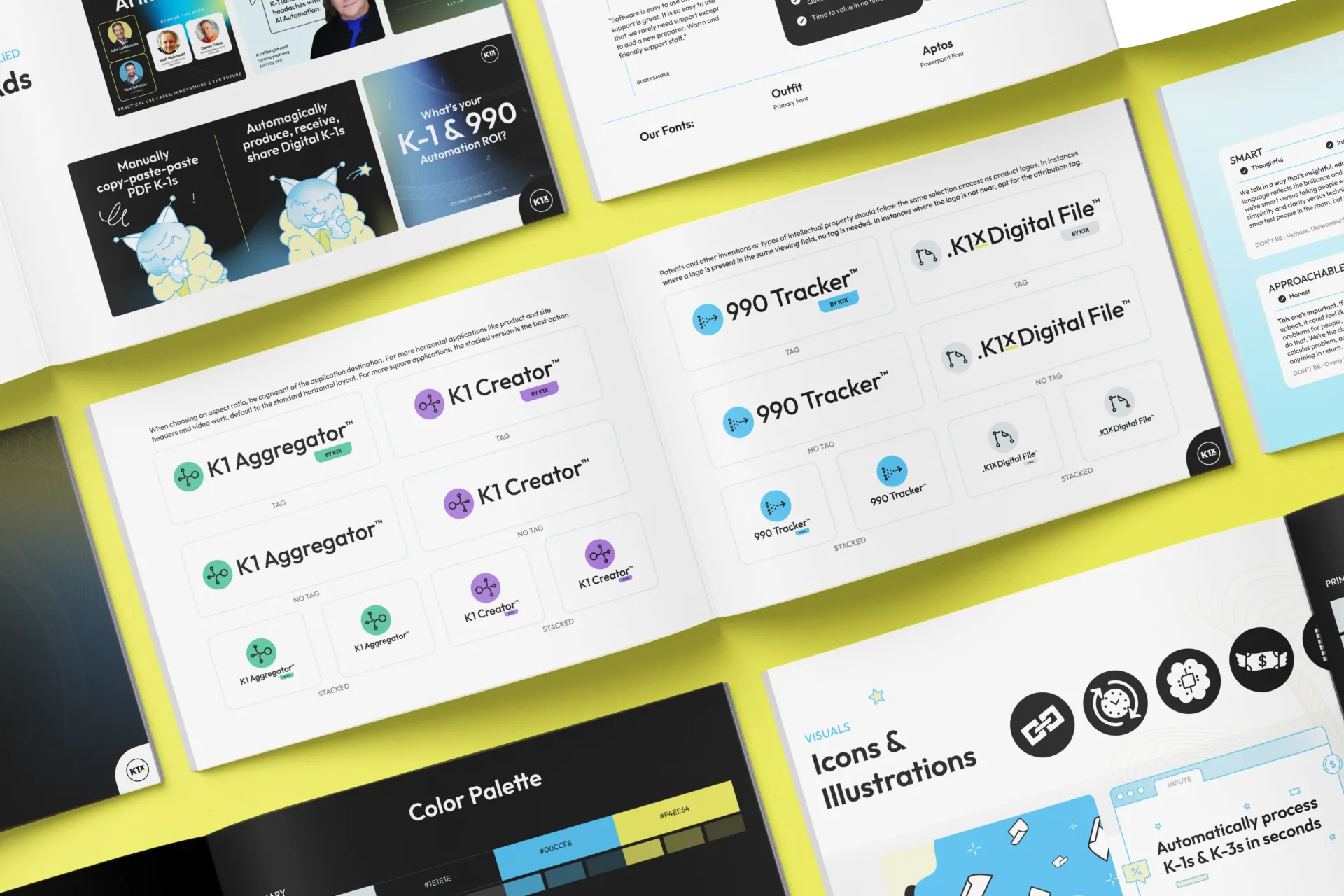
Out of the strategy work came done-for-you foundations: positioning pillars, audience definitions, value narratives, and verbiage banks designed to work across sales decks, marketing materials, onboarding, and investor conversations.
Sales gained language that shortened conversations. Marketing gained systems they could build from without second-guessing. Product and Customer Success gained messaging that matched what customers actually experienced.
The internal team told us these systems alone saved them at least 1 month of work when creating supporting materials.
easing understanding
The website that saves everyone a 2.5-hour demo
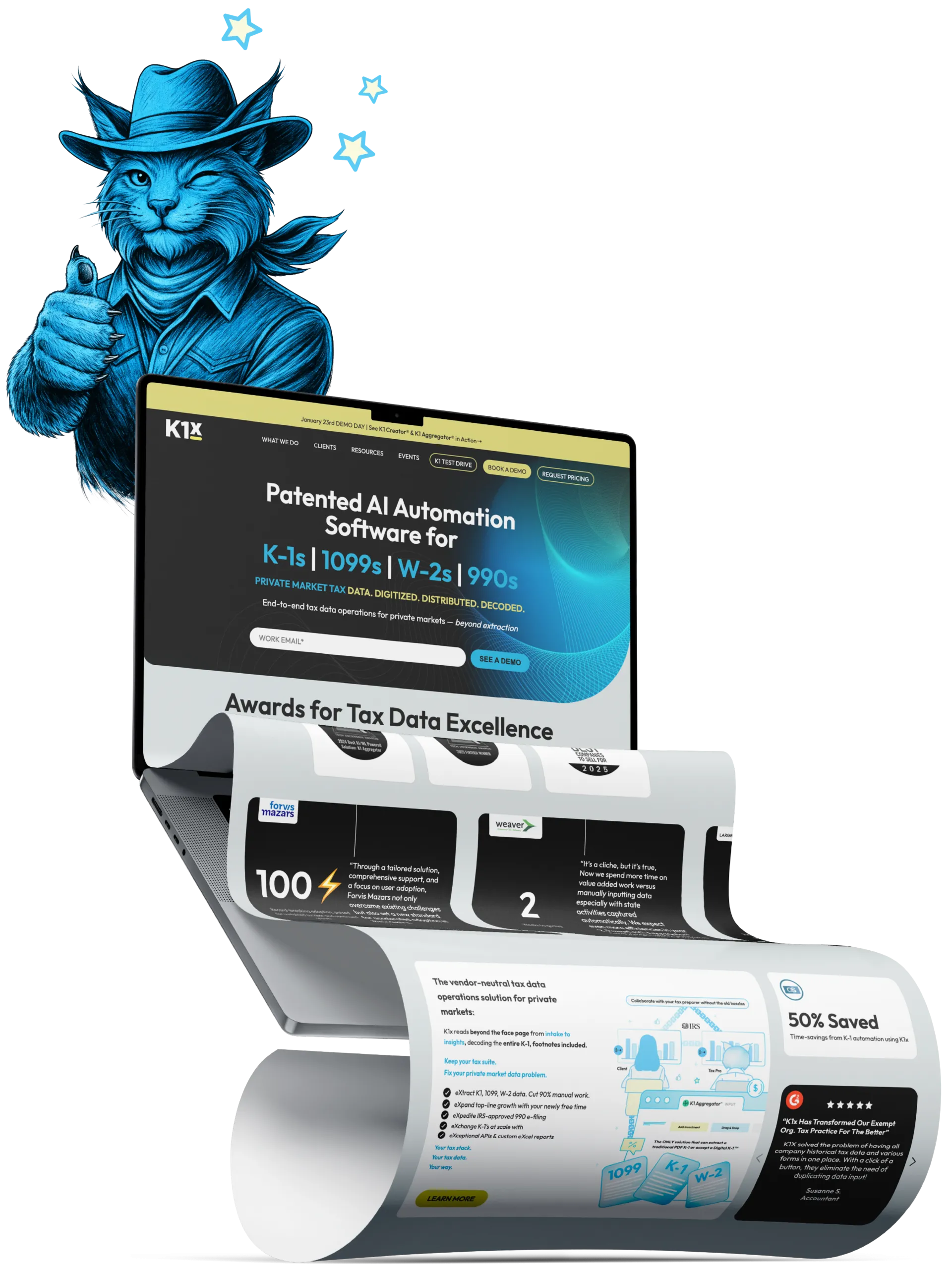
With positioning and systems in place, we designed and built a new website to act as the company’s primary explanation engine. The site helps buyers understand value quickly, orient by audience and vertical, and enter sales conversations informed instead of overwhelmed.
Clear structure replaced sprawl. Language held up in enterprise conversations. The site reduced the need for marathon demos by answering core questions upfront — giving Sales a stronger starting point and buyers more confidence before the first call.
“I GET WHAT YOU DO NOW.
SIGN ME UP.”
PREVIOUSLY STALLED PROSPECT
Meetings that *actually* mattered
The experience of working with MALI; might talk about the meeting cadence, that we met with several team members up front to understand; deep diving
Can talk about that it was a high-speed; website, sales enablement tools and stuff, and also the things for the product team to implement–talking about strategy that truly spanned channels.
Could talk about working quickly within the constraints of tax season. Could say that our ongoing work something something
Sales Enablement tools that lived outside a vacuum
What does sales enablement mean? For K1x, it meant:
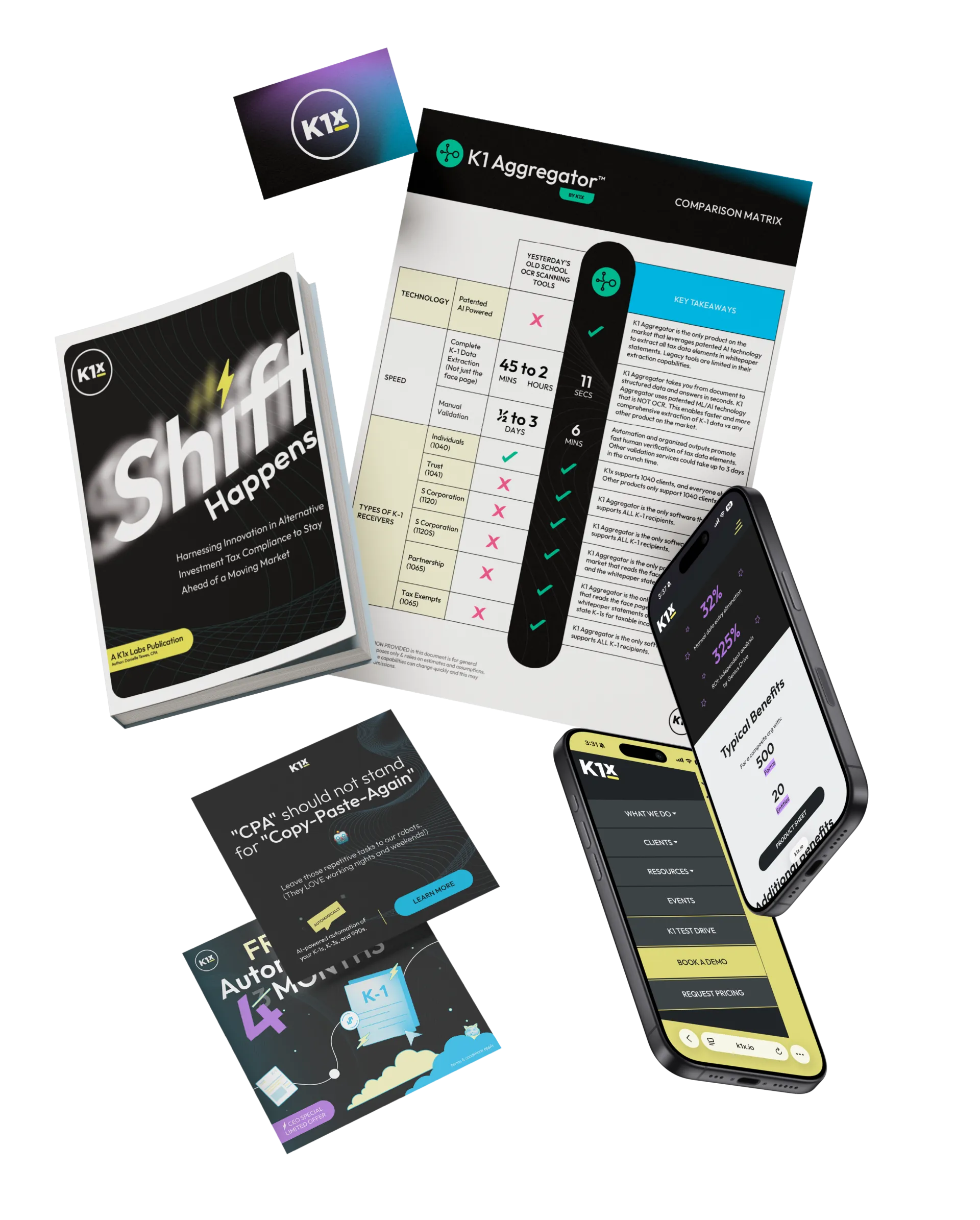
- Sales collateral design – polished, on-brand brochures, one-pagers, product data sheets, case study write-ups, whitepapers, etc., that communicate your value clearly and attractively.
- Pitch decks and presentations – we build persuasive slide decks for sales pitches or investor meetings, combining compelling copy with eye-catching visuals so your story lands with impact.
- Interactive sales tools – need a sales microsite, an ROI calculator, or an interactive PDF? We can design (and even develop) tools that give your reps an edge during the sales process.
- Templates and guides – we create templates for things like proposals, quotes, or follow-up emails, so your team can quickly personalize and send while staying on-message. We also craft internal playbooks or cheat sheets that boil down complex product info into easy talking points for reps.
- Trade show & event assets – if your sales efforts involve conferences or events, we design booth graphics, banners, handouts, and demo signage that draw in prospects and tell your story at a glance.
In essence, if it’s a material that helps your team sell better, it likely falls under sales enablement and we can help with it. We combine strong design, clear writing, and an understanding of your audience to make each asset as effective as possible.
Humanist brand systems that make hard stuff fun stuff
In our experience, the right sales materials can make a night-and-day difference. It comes down to communication and confidence. When your sales team has clear, well-designed content, they can convey your value to customers faster and more convincingly. Prospects aren’t left scratching their heads or wading through technical jargon – they get what you’re offering, which makes them more likely to move forward.
Visually, professional design lends credibility. A sleek sales deck or brochure signals to a customer that you’re a polished, trustworthy organization. Conversely, a sloppy or text-dense document can lose their interest or raise doubts. Good content also ensures consistency: every rep is telling the same compelling story, rather than each inventing their own version. That consistency builds trust and reinforces your brand.
Additionally, having great collateral saves your salespeople time and stress. They’re not scrambling to create slides from scratch or piecing together info from ten sources – it’s all prepared, on-message, and ready to go. This frees them to focus on the relationship and really listen to the client. In short, better design and content make your team more efficient, more confident, and ultimately more effective at closing deals.

making the moment matter
Collateral kits and systems built for real conversations
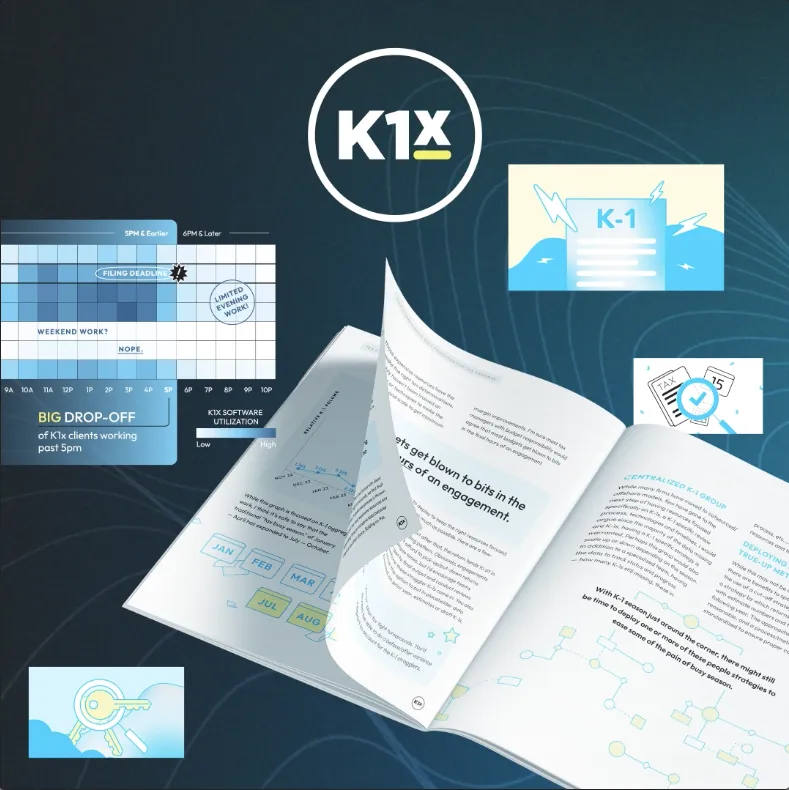
From those foundations, we created cohesive collateral kits designed for daily use. Sales decks. Audience-specific narratives. Vertical frameworks. Materials that could be adapted quickly without rebuilding context every time.
One previously stalled prospect returned after seeing the new materials and said, “I get what you do now. Sign me up.”
That moment mattered because it showed the story was finally landing.
everything in market, in 3 months.
Brand. Positioning. Language systems. Collateral kits. Website. All delivered and live in under 3 months.
An investor commented on how strong and enterprise-ready the company now looked, and how reassuring it was to see the business show up with this level of clarity and cohesion.
Because Sales, Marketing and Product aren’t an improv troupe
This work gave a fast-growing company a shared way to explain itself — across sales conversations, marketing campaigns, product discussions, onboarding, and leadership communications.
When a product is this powerful, clarity isn’t cosmetic. It’s how growth becomes possible.