When a family business means big business
Christensen is a family-built business grounded in care, service, and long-standing relationships. Over generations, that care shaped how the company grew: customers were known by name, context lived in people’s heads, and teams handled far more manually than most organizations their size. As Christensen expanded, leadership was aligned on where the brand needed to go. What was missing was a clear external map showing customers, prospects, and new markets how Christensen actually works.
Christensen partnered with MALI to bring structure to that story. Our role was to clarify the brand, simplify how offerings were understood, and design a digital experience that could support scale without sacrificing trust. This work focused on how the business is navigated, evaluated, and chosen online—so relationships could continue to grow without relying solely on institutional memory.
Our custom service-area locator tool supports qualified conversations
Established relevance = increased engagement
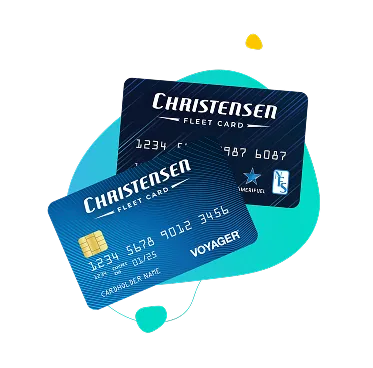
Cross-sell opportunity was being missed due to fragmented service visibility

Collapsed a former sibling brand into a single, cohesive offering under the same umbrella
Supported generational leadership transition and hiring alignment
a human moment
Research that clarified things…for customers AND teammates
We began with workshops and subject matter expert interviews across founders, operations, sales, marketing, HR, and leadership to understand how customers enter the Christensen ecosystem and where confusion or drop-off occurs.
The research surfaced two critical insights. Externally, customers were scanning quickly for relevance. They wanted immediate confirmation that Christensen served their industry, geography, and specific brand. Internally, services that naturally complemented one another were not always presented together, limiting visibility into cross-sell opportunities and the full scope of Christensen’s value. These findings directly informed the navigation hierarchy, brand architecture, and conversion pathways that followed.
Clearing
the way for customer sentiment
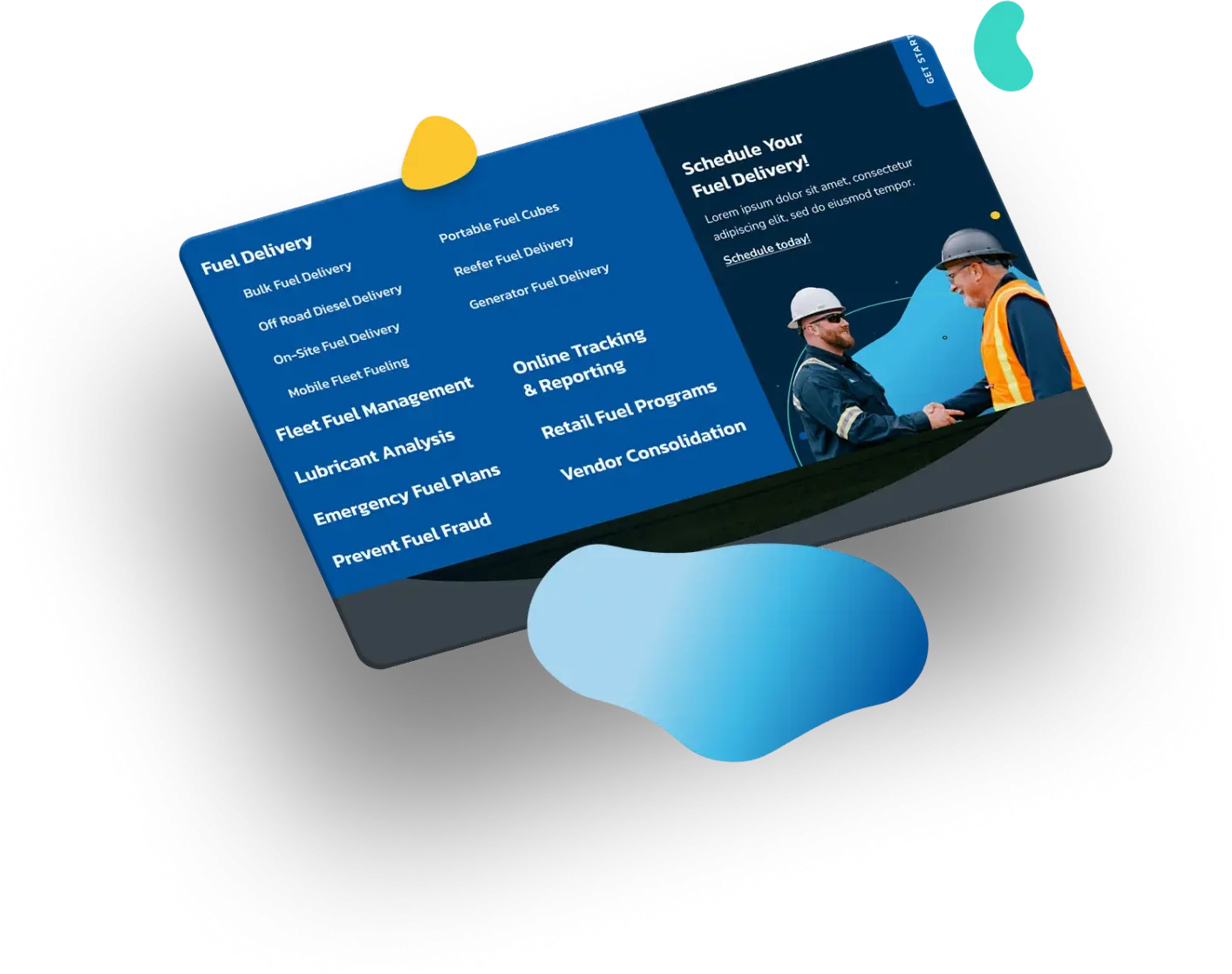
Rather than organizing the site around internal departments, we rebuilt the information architecture around customer-led navigation hierarchies. Industries and real-world use cases became primary entry points, helping visitors quickly self-select into relevant experiences.
Each pathway was designed to establish relevance first, then educate, then invite conversion. By answering the most important questions early, the experience reduced cognitive load and supported deeper engagement, more qualified form fills, and stronger downstream conversations.
As the business grew, brand complexity grew with it. One of the most meaningful outcomes of this work was collapsing what had previously existed as a sibling brand into a clearly articulated offering within the Christensen brand.
This shift reduced fragmentation and strengthened the core brand. Customers no longer had to understand multiple brand stories to understand Christensen’s value. The organization could show up with one clear, confident ecosystem, making it easier to communicate scope, capability, and connection between services.
getting warmer
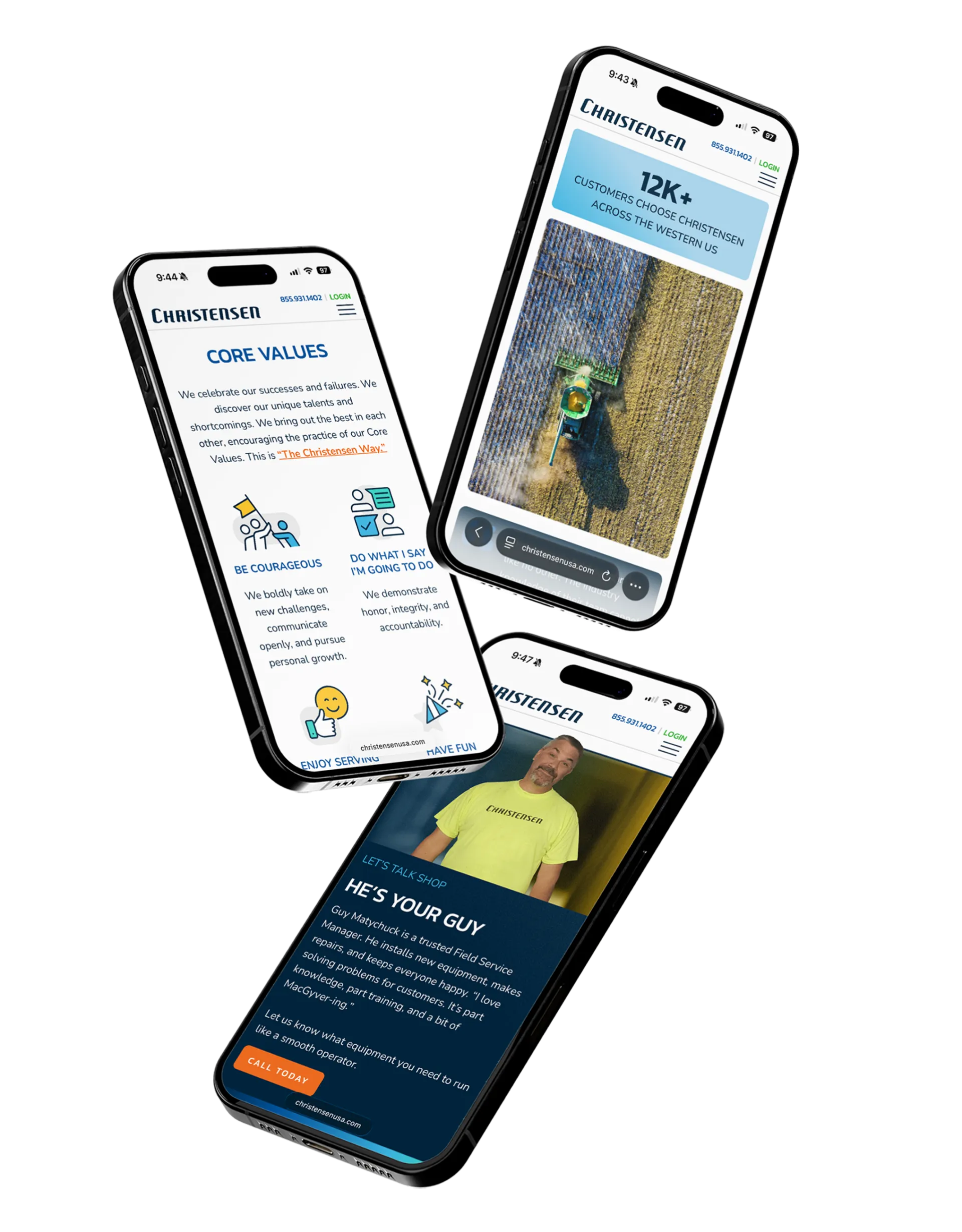
Premiering a more representative brand presence
The previous digital presence leaned heavily on equipment and infrastructure, unintentionally downplaying the relational nature of the business. The refreshed brand and site rebalanced that story.
We diversified representation to include more of Christensen’s actual customers and more of the team delivering the work every day, extending the narrative beyond the founding family while still honoring that legacy. A visual routing guide translated strategy into execution, giving internal teams a clear framework for how content, imagery, and layout should work together as the site continues to grow.
supporting real conversions
Value-added custom tools
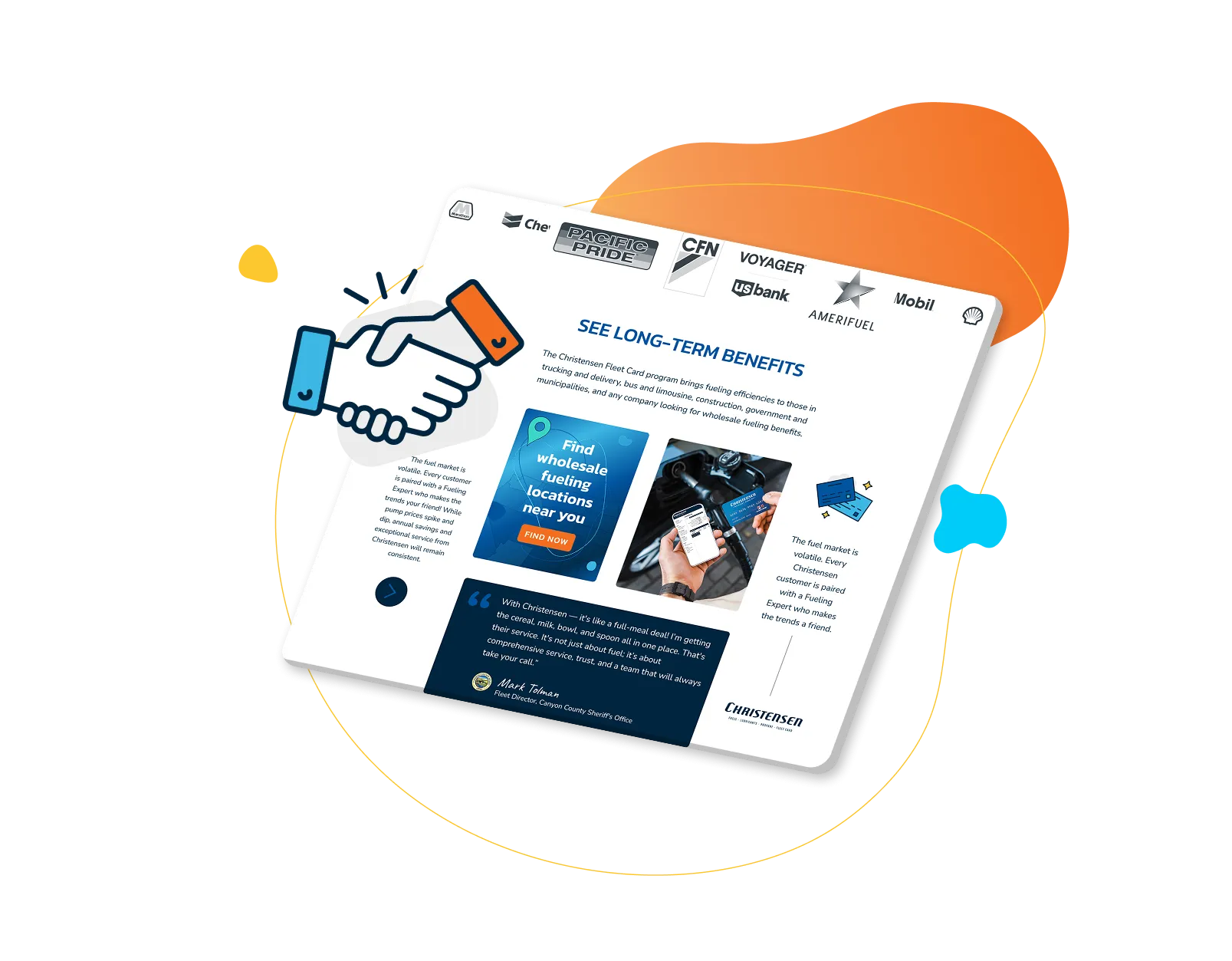
We designed and built a custom service-area locator to help customers quickly understand where Christensen operates. For value card holders, it made benefits easier to use. For new visitors, it provided reassurance and clarity. For the business, it highlighted patterns of demand and opened the door to more relevant, prequalified sales conversations. The tool became a bridge between customer needs and business growth, supporting both trust and opportunity.
The site was built as a system, not a static deliverable. Content frameworks and a flexible CMS allow internal teams to expand the site on their own, add new pages, and support new brands without losing consistency.
Example Service Provided here
Example Service Here
- Sales collateral design – polished, on-brand brochures, one-pagers, product data sheets, case study write-ups, whitepapers, etc., that communicate your value clearly and attractively.
- Pitch decks and presentations – we build persuasive slide decks for sales pitches or investor meetings, combining compelling copy with eye-catching visuals so your story lands with impact.
- Interactive sales tools – need a sales microsite, an ROI calculator, or an interactive PDF? We can design (and even develop) tools that give your reps an edge during the sales process.
- Templates and guides – we create templates for things like proposals, quotes, or follow-up emails, so your team can quickly personalize and send while staying on-message. We also craft internal playbooks or cheat sheets that boil down complex product info into easy talking points for reps.
- Trade show & event assets – if your sales efforts involve conferences or events, we design booth graphics, banners, handouts, and demo signage that draw in prospects and tell your story at a glance.
In essence, if it’s a material that helps your team sell better, it likely falls under sales enablement and we can help with it. We combine strong design, clear writing, and an understanding of your audience to make each asset as effective as possible.
Sample Role or Service Here
In our experience, the right sales materials can make a night-and-day difference. It comes down to communication and confidence. When your sales team has clear, well-designed content, they can convey your value to customers faster and more convincingly. Prospects aren’t left scratching their heads or wading through technical jargon – they get what you’re offering, which makes them more likely to move forward.
Visually, professional design lends credibility. A sleek sales deck or brochure signals to a customer that you’re a polished, trustworthy organization. Conversely, a sloppy or text-dense document can lose their interest or raise doubts. Good content also ensures consistency: every rep is telling the same compelling story, rather than each inventing their own version. That consistency builds trust and reinforces your brand.
Additionally, having great collateral saves your salespeople time and stress. They’re not scrambling to create slides from scratch or piecing together info from ten sources – it’s all prepared, on-message, and ready to go. This frees them to focus on the relationship and really listen to the client. In short, better design and content make your team more efficient, more confident, and ultimately more effective at closing deals.
Honoring the legacy, get a bigger table
The work also supported a generational shift within the company. The refreshed careers experience helped tell a fuller story about who Christensen is today and where it is headed. It honored the family roots of the business while clearly signaling a future built by the next generation.
This clarity made it easier to attract talent aligned with the culture and ready to contribute to the company’s continued growth.